


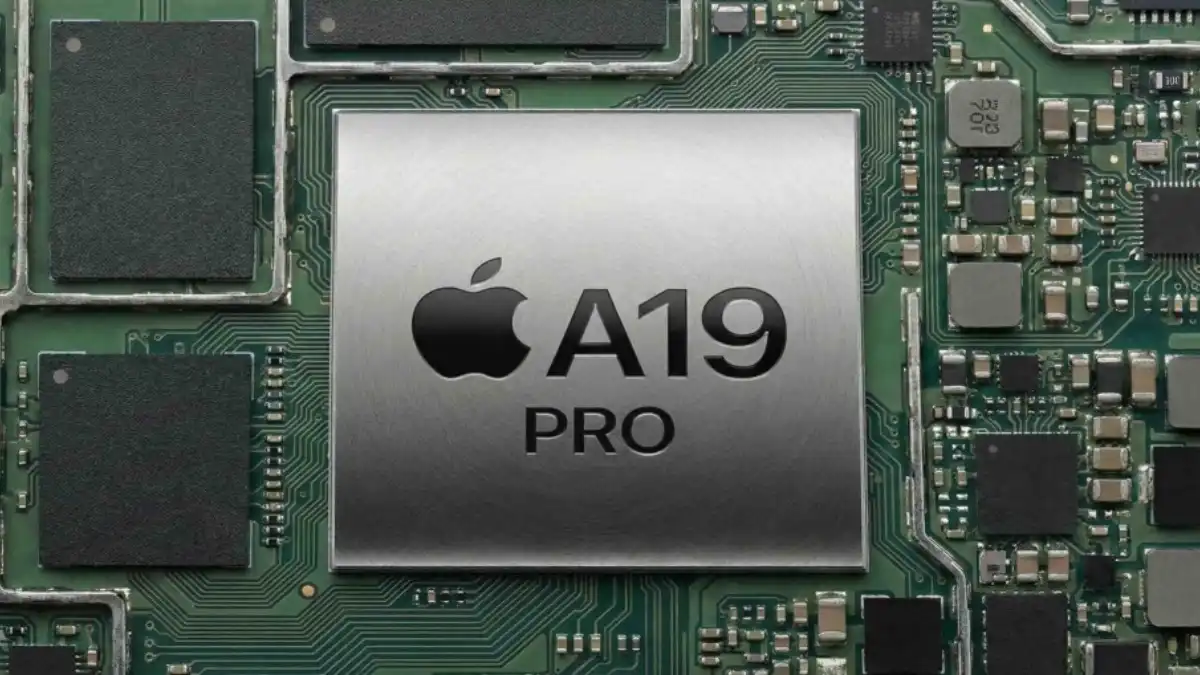
Apple Moves to Diversify Chip Production with Intel and Samsung in Strategic Shift
Apple Chip Production Strategy Expands Beyond TSMC
Apple is reportedly exploring a major shift in its semiconductor strategy by working with Intel and Samsung. This move signals Apple’s intent to reduce its heavy reliance on a single supplier and build a more resilient, diversified chip production network.
For years, Apple has depended primarily on Taiwan Semiconductor Manufacturing Company (TSMC) for its custom silicon. While that partnership remains strong, recent global supply chain disruptions and geopolitical concerns have pushed Apple to rethink its approach.
Why Apple Wants to Diversify Chip Manufacturing
Apple’s decision comes down to a few key factors:
- Supply chain security: Relying on one manufacturer creates risk during global disruptions
- Geopolitical concerns: Tensions in regions critical to chip production could impact supply
- Scaling demand: Apple’s growing product ecosystem requires more chips than ever
- Technological flexibility: Working with multiple partners may unlock new manufacturing capabilities
By collaborating with Intel and Samsung, Apple can reduce potential bottlenecks and ensure a steady flow of components for its devices.
Intel’s Role in Apple’s Future Plans
Intel has been actively investing in its foundry business, aiming to compete directly with TSMC and Samsung. Apple’s interest in Intel suggests confidence in its roadmap and manufacturing improvements.
If the partnership moves forward, Intel could manufacture some Apple chips, especially in regions like the United States, aligning with Apple’s broader push for localized production.
Samsung’s Continued Importance in the Supply Chain
Samsung is already a key supplier for Apple, particularly in display technology and memory components. Expanding this relationship into chip manufacturing would be a natural progression.
Samsung’s advanced fabrication capabilities make it a strong candidate to support Apple’s high-performance silicon needs, especially for iPhones, iPads, and Macs.
What This Means for Apple Products
For consumers, this shift may not be immediately visible, but it could bring long-term benefits:
- More stable product availability
- Faster rollout of new devices
- Potential performance improvements through diverse manufacturing innovations
Apple’s chips, such as the A-series and M-series, are central to its ecosystem. Ensuring consistent production is critical to maintaining product quality and launch timelines.
Industry Impact and Competitive Landscape
Apple’s move could reshape the semiconductor industry:
- It strengthens Intel’s position as a foundry competitor
- It deepens Samsung’s role beyond components
- It reduces TSMC’s exclusive hold on Apple’s chip production
This diversification trend may also encourage other tech giants to adopt similar strategies, leading to a more distributed global chip manufacturing ecosystem.
Final Thoughts
Apple’s reported plan to work with Intel and Samsung marks a significant shift in its long-standing chip production strategy. While TSMC is expected to remain a key partner, this move reflects a broader effort to reduce risk and prepare for future demand.
As the global semiconductor landscape evolves, Apple is positioning itself to stay ahead by building a more flexible and secure supply chain.