

Android 17 Continue On Arrives: UAE Users Finally Get Apple Style Device Handoff Across Android Ecosystems
Executive Summary:
Google has introduced a major Android ecosystem upgrade called Continue On as part of Android 17. The feature allows users to begin a task on one Android device and instantly continue it on another without restarting the process. For users in the UAE and wider GCC market, this brings Android closer to the connected experience many associate with competing ecosystems. Whether tracking deliveries from Talabat, moving work files between devices, or continuing a browsing session while commuting in Dubai or Riyadh, Android devices are becoming more integrated than before. Stable rollout is expected later in 2026, with Pixel devices receiving it first, followed by major manufacturers.
Google used its latest developer announcements and ecosystem presentations to quietly reveal one of the most practical Android upgrades in years. While AI grabbed most of the attention at Google I/O, Android 17 introduced Continue On, a feature designed to let users move activities between devices without interruption.
For smartphone users in Dubai, Abu Dhabi, Riyadh, Doha, and across the GCC, this matters more than it might initially appear. Daily usage increasingly moves between phones, tablets, foldables, laptops, and connected screens. A user checking a food delivery order during a work commute, editing documents on a tablet, or moving between devices during travel now gets a more connected experience.
What Exactly Is Android 17 Continue On?
Continue On works like a digital bridge between Android devices using the same Google account.
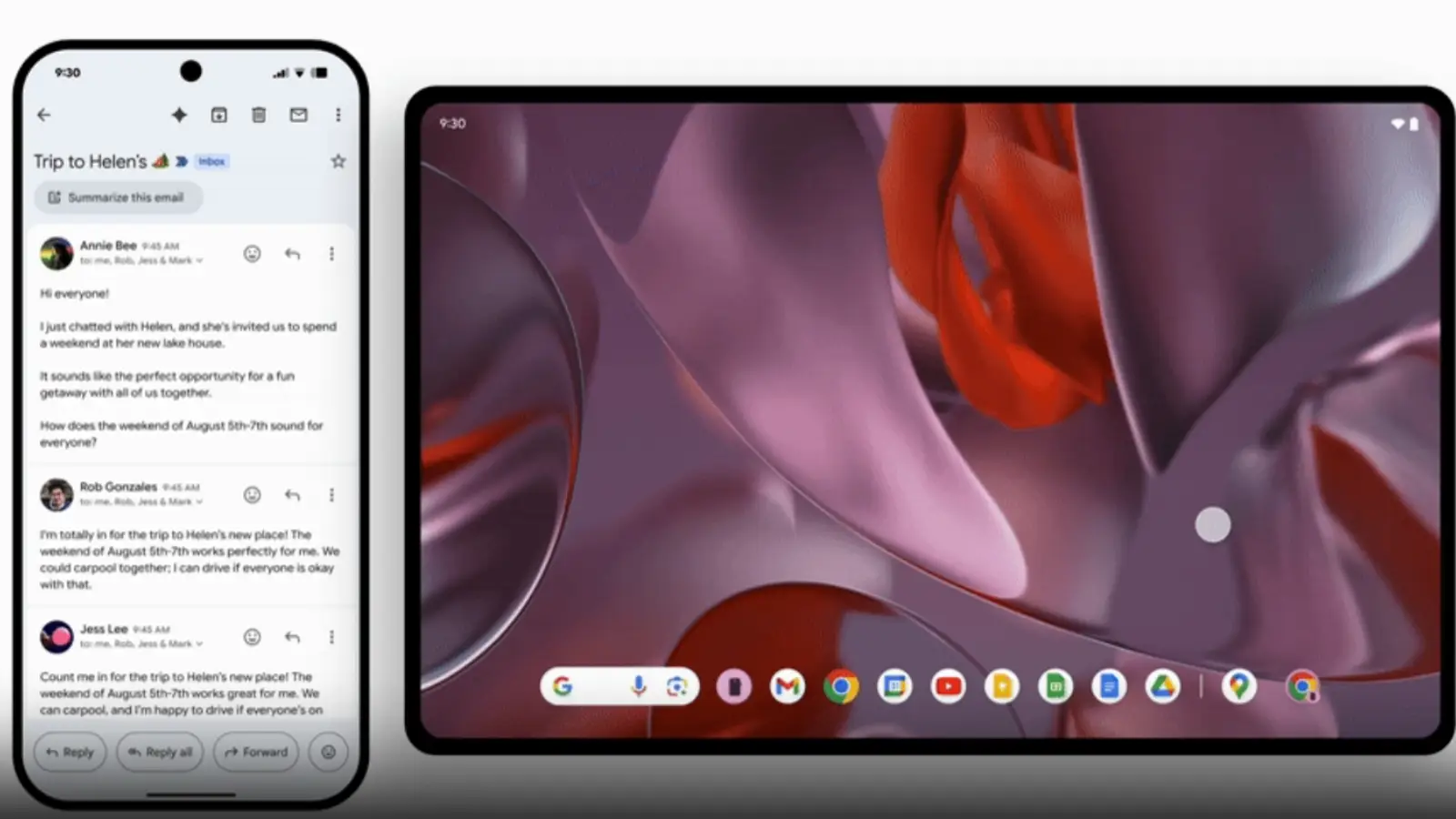
Users can begin a task on a smartphone and instantly resume it on another supported Android device.
Examples include:
• Continue reading an article on a tablet
• Resume editing a document
• Pick up browser tabs from another device
• Continue media and productivity sessions
Google says supported activities appear directly on the receiving device for fast access. Initial support focuses on phone to tablet continuity, with wider expansion expected later.
Why UAE and GCC Users Will Notice Real Benefits
Daily app movement becomes easier
The feature may sound simple, but local usage patterns make it practical.
Examples for GCC users:
Careem
Start booking transport on your phone while leaving work, then continue on a larger tablet screen at home.
Talabat
Track delivery progress while commuting and continue monitoring updates on another device.
Noon
Begin shopping on a smartphone and continue comparing products on a tablet.
Deliveroo UAE
Move from mobile browsing to a larger screen without repeating searches.
Android Ecosystem Finally Starts Acting Like One Platform
Android previously offered scattered syncing tools such as:
• Chrome tab syncing
• Nearby Share
• Shared notifications
Android 17 attempts to combine these experiences into a more unified system. Industry analysts see this as Google’s answer to ecosystem continuity features that have long existed elsewhere.
GCC Device Compatibility Expectations
Expected first wave rollout:
| Device Category | Expected Availability |
|---|---|
| Google Pixel devices | First release phase |
| Samsung Galaxy flagships | Following manufacturer updates |
| Foldable devices | High priority support |
| Android tablets | Early adoption focus |
| Chromebook ecosystem | Potential future expansion |
Major GCC telecom compatibility should not be an issue because this is a software layer rather than a network dependent feature.
Likely compatible networks include:
• e& UAE
• du UAE
• Virgin Mobile UAE
• STC Saudi Arabia
• Ooredoo Qatar
• Zain Kuwait
Feature vs GCC User Impact
| Feature | User Impact / GCC Local Benefit |
|---|---|
| Continue On | Move work, shopping and browsing between devices |
| Google account based syncing | No manual transfers required |
| Phone to tablet handoff | Useful for commuters and remote workers |
| App continuity | Faster access during travel and meetings |
| Ecosystem integration | Better connected experience across multiple devices |
GCC Insight
Cross device continuity could become particularly useful during long travel periods, airport layovers, Ramadan shopping seasons, and heavy app usage days where users constantly move between mobile and larger screens.
H2: Expected Middle East Release Timeline
Android 17 has reached platform stability and is moving toward a wider release phase. Pixel devices are expected to receive stable software first, with Samsung, Xiaomi, OPPO, Honor and other manufacturers following through their update schedules later in the year.
Middle East users usually receive flagship Android software updates shortly after global rollouts, although timing varies by brand and region.
For UAE users carrying premium devices such as Pixel, Galaxy S series, Fold devices and flagship tablets, availability could begin appearing in late Q3 through Q4 2026.
Conclusion
Android 17 Continue On may not create the same headlines as AI announcements, but it addresses something users experience every day, moving between devices. The ability to continue activities instantly without restarting tasks could become one of Android’s most practical upgrades.
For UAE and GCC users who already switch between smartphones, tablets and larger screens throughout the day, Android devices are beginning to feel less like separate products and more like one connected ecosystem.