

- Home
- GSMArena UAE
- Compare
- Google Pixel 11 vs Google Pixel 11 Pro: Which Pixel Flagship Is Right for You?
Google Pixel 11 vs Google Pixel 11 Pro: Which Pixel Flagship Is Right for You?
The Google Pixel 11 vs Google Pixel 11 Pro comparison is more important than it first appears. Google is using its latest Pixel generation to push deeper into AI-powered smartphones, while also making a clearer separation between its standard and Pro models.
Google officially launched the Pixel 11 series in August 2026, with the Pixel 11 starting at $899 and the Pixel 11 Pro at $1,099 in the United States. Both phones use Google’s new Tensor G6 platform, but the Pro model adds more advanced camera hardware, a higher-end display, and additional premium features.
For U.S. buyers, the choice comes down to priorities. The Pixel 11 offers most of Google’s latest software and AI experience at a lower price. The Pixel 11 Pro is designed for users who want stronger photography, a more premium display, and more storage flexibility.
Google Pixel 11 vs Google Pixel 11 Pro: Specifications
| Specification | Google Pixel 11 | Google Pixel 11 Pro |
|---|---|---|
| Launch | August 2026 | August 2026 |
| Starting price | $899 | $1,099 |
| Base storage | 256GB | 256GB |
| Higher storage | Up to 512GB | Up to 1TB |
| RAM | 12GB | 12GB to 16GB, depending on configuration |
| Processor | Google Tensor G6 | Google Tensor G6 |
| Display | Around 6.3-inch OLED, 120Hz | Around 6.3-inch Super Actua LTPO OLED, 1 to 120Hz |
| Rear cameras | Dual-camera system | Triple-camera Pro system |
| Telephoto | No dedicated Pro telephoto | Yes |
| Maximum zoom | Up to 30x reported | Up to 120x reported |
| Front camera | 13MP reported | Higher-end Pro selfie camera |
| AI platform | Gemini and Pixel AI | Gemini and advanced Pixel AI |
| Wireless charging | Qi2-based | Qi2-based |
| Water resistance | IP68 | IP68 |
| Security | Titan M3 | Titan M3 |
| Best for | Mainstream users | Photography and power users |
Some specifications vary between published reports and retailer listings. Google has confirmed the Pixel 11 family, Tensor G6 platform, new AI features, and pricing, while some detailed hardware figures have been reported from launch coverage and listings.
Google Pixel 11 vs Pixel 11 Pro: Design and Display
At first glance, the Pixel 11 and Pixel 11 Pro follow the same design language. Google has refined the familiar camera bar rather than completely redesigning the Pixel.
The standard Pixel 11 is aimed at buyers who want a flagship-sized phone without paying Pro pricing. Its roughly 6.3-inch display also makes it easier to handle than the larger Pro XL.
The Pixel 11 Pro takes a more premium approach. Its Super Actua display is expected to offer LTPO technology with a variable refresh rate, giving it an advantage for smooth scrolling and power efficiency. The Pro range also receives higher brightness and additional premium display capabilities.
The difference matters most outdoors and during media consumption. For social media, messaging, browsing, and normal video playback, the Pixel 11 should be more than adequate. The Pro becomes more attractive for photographers, creators, and users who spend many hours looking at their phone.
Google’s previous Pixel 10 Pro already used a 6.3-inch LTPO OLED display with a 1 to 120Hz refresh rate and up to 3,300 nits of peak brightness, establishing the hardware direction Google has continued with the Pro line.
Pixel 11 vs Pixel 11 Pro Camera Comparison
The camera system is the biggest reason to consider the Pro.
The Pixel 11 uses a dual-camera configuration. It is designed to deliver Google’s computational photography experience without the extra hardware found on the Pro.
That means everyday photographs should remain a major strength. Google’s image processing, HDR, Night Sight, and AI-based editing can do much of the work behind the scenes.
The Pixel 11 Pro goes further with a dedicated telephoto camera. Reports around the launch indicate that Pro models can reach up to 120x zoom through a combination of optical hardware and computational processing.
This is important for distant subjects. A dedicated telephoto camera provides much better starting image data than digital cropping alone.
The Pro also introduces advanced video capabilities, including improved stabilization and 8K Pro Stable Video features. Google’s new Magic Capture system is designed to use AI and image processing to improve the chances of capturing a good image when subjects are moving.
Which camera is better?
The answer is straightforward.
For casual photography, the Pixel 11 should be sufficient. For portraits, distant subjects, travel photography, low-light shooting, and serious video work, the Pixel 11 Pro has the clear advantage.
This is the largest hardware difference in the Pixel 11 vs Pixel 11 Pro comparison.
Tensor G6 Performance and AI
Both smartphones use Google’s Tensor G6 processor, so the basic software experience is much closer than the price difference suggests.
Google has continued to focus Tensor development on AI processing rather than simply chasing the highest benchmark score. The new generation brings improvements to CPU performance, AI processing, image processing, and security.
Reports indicate that Tensor G6 uses a new-generation design and an upgraded Titan M3 security system. Google is also putting greater emphasis on Gemini-powered features across the Pixel 11 family.
For everyday use, this means faster application launches, better voice features, smarter image processing, and more capable on-device AI.
The Pro model may offer more RAM in higher storage configurations, giving it a better position for heavy multitasking and long-term demanding workloads. However, both phones should feel broadly similar for normal tasks because they share the same core processor platform.
This is one area where the Pixel 11 offers strong value. Buyers do not need the Pro model to experience Google’s latest Tensor and Gemini ecosystem.
Battery Life and Charging
Battery capacity is another area where the difference is less dramatic.
The Pixel 11 is designed to deliver all-day battery life, while the Pro model focuses on combining similar endurance with its more advanced display and camera hardware.
Google’s previous Pixel 10 generation already offered more than 24 hours of battery life, while Pro models used larger batteries and faster charging options.
The Pixel 11 generation also brings improvements to wireless charging and power management.
For most U.S. users, battery life should not be the deciding factor between the two phones. The camera and display differences are more important.
Pixel 11 vs Pixel 11 Pro: Storage and Price
Price creates the clearest separation.
The Pixel 11 starts at $899 with 256GB of storage. The Pixel 11 Pro starts at $1,099 with 256GB, creating a $200 difference at the entry level.
The Pro also offers higher storage configurations, reaching 1TB in reported U.S. pricing.
| Model | Starting Storage | Starting U.S. Price |
| Pixel 11 | 256GB | $899 |
| Pixel 11 Pro | 256GB | $1,099 |
| Difference | Same | $200 |
The standard Pixel 11 therefore has a strong value argument. It delivers the same Tensor G6 generation and core Pixel software experience while saving $200.
The Pro earns its premium through hardware, especially the camera system, display, and higher-end configurations.
Real-World Use: Who Should Buy Which?
The Pixel 11 makes more sense for mainstream users.
It is the better choice if you mainly use your phone for:
- Social media
- Web browsing
- Messaging
- Streaming
- Everyday photography
- Google Gemini and AI features
- General productivity
The Pixel 11 Pro is better suited to:
- Mobile photographers
- Content creators
- Frequent travelers
- Users who need telephoto photography
- People who want the best Pixel display
- Heavy multitaskers
- Buyers who want up to 1TB of storage
This distinction is important because the Pro is not simply a faster version of the Pixel 11. Both phones share the same Tensor G6 generation. Much of the additional money goes toward the camera and premium hardware.
Pixel 11 vs Pixel 11 Pro: Strengths and Weaknesses
Google Pixel 11 strengths
The Pixel 11 has three major advantages.
First, it costs $200 less.
Second, it still receives the latest Tensor G6 platform and Google’s newest AI features.
Third, 256GB is now the entry storage level, giving buyers more capacity than previous base configurations.
Its biggest weakness is the lack of the Pro’s dedicated telephoto camera and premium display hardware.
Google Pixel 11 Pro strengths
The Pixel 11 Pro has a stronger camera system, better display technology, more storage options, and a more complete flagship specification.
Its biggest weakness is price.
At $1,099, the Pro enters direct competition with other premium Android phones and Apple’s flagship iPhone range. That makes the Pro’s additional hardware more important because buyers have more alternatives at this price.
Google Pixel 11 vs Pixel 11 Pro: Which One Wins?
So, Google Pixel 11 vs Pixel 11 Pro who wins?
There isn’t one answer for every buyer.
The Pixel 11 wins on value. It gives users the latest Tensor G6 platform, Google’s AI ecosystem, modern Pixel design, 256GB starting storage, and a high-end everyday experience for $899.
The Pixel 11 Pro wins on capability. Its superior camera system, telephoto hardware, advanced display, and higher storage ceiling make it the better choice for users who want the most complete Pixel experience.
For a typical U.S. buyer, the Pixel 11 is probably the smarter purchase if photography is not a major priority.
For enthusiasts and creators, the extra $200 for the Pixel 11 Pro is easier to justify.
Conclusion
The Google Pixel 11 vs Google Pixel 11 Pro comparison shows that Google is taking a different approach from simply making the Pro model faster.
Both phones share the same Tensor G6 foundation and Google’s latest AI software. The real separation comes from hardware.
The Pixel 11 focuses on value and delivers most of the Pixel experience at a lower price. The Pixel 11 Pro adds the hardware needed by users who want advanced photography, better display technology, and more storage.
For most consumers, choose the Pixel 11.
For photographers, creators, and demanding users, choose the Pixel 11 Pro.
Google’s official Pixel pages and product information are the best places to verify regional specifications and availability as configurations can vary. Google Pixel official website
FAQ: Google Pixel 11 vs Pixel 11 Pro
For photographers and power users, yes. The Pro provides a more advanced camera system, better display hardware, and additional storage options. For everyday users, the standard Pixel 11 offers better value.
Yes. Both models use Google’s Tensor G6 platform. The major differences are in cameras, display technology, memory configurations, and other premium hardware.
The Pixel 11 Pro has the better camera system because it adds dedicated telephoto hardware and advanced Pro photography and video capabilities.
Yes. The Pixel 11 starts at $899 in the U.S., while the Pixel 11 Pro starts at $1,099, making the Pro $200 more expensive at the entry level.
Buy the Pixel 11 if you want the best value. Choose the Pixel 11 Pro if camera quality, display performance, storage, and advanced photography are important to you.
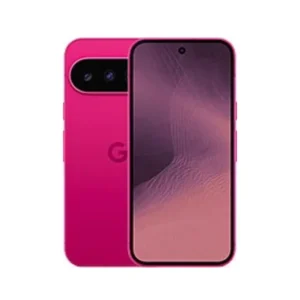
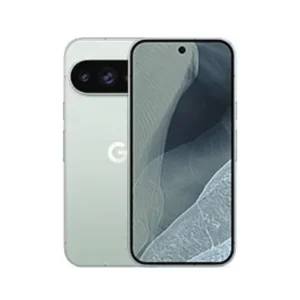
Build
| OS | Android 17, up to 7 major Android upgrades Android 17, up to 7 major Android upgrades |
| Dimensions | 152.8 x 72 x 8.6 mm (6.02 x 2.83 x 0.34 in) 152.7 x 71.9 x 8.4 mm (6.01 x 2.83 x 0.33 in) |
| Weight | 197 g (6.95 oz) 204 g (7.20 oz) |
| SIM SIM (Subscriber Identity Module) is a small card that contains mobile network subscriber's account information. This allows the phone using the card to attach to a mobile network. The SIM card is most commonly associated with GSM and UMTS mobile networks. Moving a SIM card from one phone to another allows a subscriber to switch mobile phones without having to contact their mobile network carrier. SIM cards can also be used by a phone to store limited amounts of data, such as phone numbers and text messages. | · Nano-SIM + eSIM · eSIM + eSIM (8 or more, max 2 at a time; USA) · Nano-SIM + eSIM · eSIM + eSIM (8 or more, max 2 at a time; USA) |
| Colors | Frost, Pistachio, Hibiscus, Obsidian Canyon, Olive, Fog, Obsidian |
Frequency
| 2G Band | GSM 850 / 900 / 1800 / 1900 GSM 850 / 900 / 1800 / 1900 |
| 3G Band | HSDPA 800 / 850 / 900 / 1700(AWS) / 1900 / 2100 HSDPA 800 / 850 / 900 / 1700(AWS) / 1900 / 2100 |
| 4G Band | LTE LTE |
| 5G Band | SA/NSA/Sub6 SA/NSA/Sub6 |
Processor
| CPU CPU (Central Processing Unit) mostly known as processors, CPU processes instructions in order to carry out certain functions that make your device operate properly. Processors are often described as the brain of computers, smartphones and tablets, Smartphones and tablets rely on processors to carry out their every task, Processors are an incredibly important factor in selecting any type of computing device, including your smartphone. | 7-core (1x4.1 GHz ARM C1-Ultra & 4x3.4 GHz ARM C1-Pro & 2x2.65 GHz ARM C1-Pro) 7-core (1x4.1 GHz ARM C1-Ultra & 4x3.4 GHz ARM C1-Pro & 2x2.65 GHz ARM C1-Pro) |
| Chipset Chipset is a group of integrated circuits designed to perform one or a more dedicated functions, often with real time computing constraints, Popular smartphones are equipped with more advanced embedded chipsets that can do many different tasks depending on their programming. | Google Tensor G6 (3 nm) Google Tensor G6 (3 nm) |
| GPU GPU (Graphics Processing Unit) is a single-chip processor designed to rapidly manipulate and alter memory to accelerate the creation of images in a frame buffer intended for output to a display, This includes things such as lighting effects, object transformations, and 3D motion. | PowerVR C-Series CXTP-48-1536 PowerVR C-Series CXTP-48-1536 |
Display
| Technology | OLED, 120Hz, HDR10+, 2000 nits (HBM), 3000 nits (peak) LTPO OLED, 120Hz, HDR10+, 2400 nits (HBM), 3600 nits (peak) |
| Size | 6.3 inches, 95.6 cm2 (~86.9% screen-to-body ratio) 6.3 inches, 95.6 cm2 (~87.0% screen-to-body ratio) |
| Resolution | 1280 x 2856 pixels, 20:9 ratio (~497 ppi density) 1280 x 2856 pixels, 20:9 ratio (~497 ppi density) |
| Protection | Corning Gorilla Glass Victus 2 Corning Gorilla Glass Victus 2, Mohs level 4 |
Memory
| Built-in | 256GB 12GB RAM, 512GB 12GB RAM UFS 4.x 256GB 12GB RAM, 512GB 16GB RAM, 1TB 16GB RAM UFS 4.x |
| Card Slot Memory Card Slot is a special slot for inserting a memory card. Memory cards allow you to expand the phone's built-in memory, A memory card (sometimes called a flash memory card or a storage card) is a small storage medium used to store data such as text, pictures, audio, and video, for use on small, portable or remote computing devices such as mobile phones, mp3 players, digital cameras. |
Camera
| Main | Triple 48 MP, f/1.7, 24mm (wide), 1/1.56", 1.0µm, dual pixel PDAF, OIS 10.8 MP, f/3.1, 112mm (telephoto), 1/3.2", dual pixel PDAF, OIS, 5x optical zoom 13 MP, f/2.2, 120˚ (ultrawide), 1/3.1", PDAF Triple 50 MP, f/1.7, 25mm (wide), 1/1.3", 1.2µm, multi-directional PDAF, OIS 48 MP, f/2.8, 106mm (periscope telephoto), 1/1.95", dual pixel PDAF, OIS, 5x optical zoom 48 MP, f/1.7, 123˚ (ultrawide), 1/2.51", dual pixel PDAF |
| Features | Features Multi-zone Laser AF, LED flash, Pixel Shift, Ultra-HDR, panorama, Best Take Video 4K@24/30/60fps, 1080p@24/30/60/120/240fps; gyro-EIS, OIS, 10-bit HDR Features Multi-zone Laser AF, LED flash, Pixel Shift, Ultra-HDR, panorama, Best Take, Zoom Enhance Video 8K@24/30fps, 4K@24/30/60fps, 1080p@24/30/60/120/240fps; gyro-EIS, OIS, 10-bit HDR |
| Front | Single 10.5 MP, f/2.2, 20mm (ultrawide), PDAF Features HDR, panorama Video 4K@30/60fps, 1080p@30/60fps Single 42 MP, f/2.2, 103˚ (ultrawide), PDAF Features HDR, panorama Video 4K@30/60fps, 1080p@30/60fps |
Connectivity
| WLAN | Wi-Fi 802.11 a/b/g/n/ac/6e, dual-band Wi-Fi 802.11 a/b/g/n/ac/6e/7, tri-band |
| Bluetooth Bluetooth is a wireless communications technology for exchanging data between mobile phones, headsets, computers and other network devices over short distances without wires, Bluetooth technology was primarily designed to support simple wireless networking of personal consumer devices. | 6.0, A2DP, LE, aptX HD 6.0, A2DP, LE, aptX HD |
| GPS GPS The Global Positioning System is a satellite-based radio navigation system, GPS permits users to determine their position, velocity and the time 24 hours a day, in all weather, anywhere in the world, In order to locate your position, your device or GPS receiver must have a clear view of the sky. | GPS (L1+L5), GLONASS, GALILEO, BDS, QZSS, NavIC GPS (L1+L5), GLONASS, GALILEO, BDS, QZSS, NavIC |
| Radio | No No |
| USB | USB Type-C 3.2 USB Type-C 3.2 |
| NFC NFC (Near field communication) is a set of standards for smartphones and similar devices to establish peer-to-peer radio communications with each other by touching them together or bringing them into proximity, usually no more than a few inches. | |
| Data | HSPA, LTE (CA), 5G HSPA, LTE, 5G |
Features
| Sensors Sensors are electronic components that detects and responds to some type of input from the physical environment. The specific input could be light, heat, motion, moisture, pressure and location, The output is generally a signal that is converted to use in computing systems, a location sensor, such as a GPS receiver is able to detect current location of your electronic device. | Fingerprint (under display, ultrasonic), accelerometer, gyro, proximity, compass, barometer Satellite SOS service Fingerprint (under display, ultrasonic), accelerometer, gyro, proximity, compass, barometer, thermometer (skin temperature) Ultra Wideband (UWB) support Satellite SOS service |
| Audio | Loudspeaker Yes, with stereo speakers 3.5mm jack No Loudspeaker Yes, with stereo speakers 3.5mm jack No |
| Browser | HTML5 HTML5 |
| Messaging | SMS(threaded view), MMS, Email, Push Mail, IM SMS(threaded view), MMS, Email, Push Mail, IM |
| Games | Built-in + Downloadable Built-in + Downloadable |
| Extra | IP68 dust tight and water resistant (immersible up to 1.5m for 30 min) IP68 dust tight and water resistant (immersible up to 1.5m for 30 min) |
Battery
| Battery Type Battery Type => Cell phones run on various kinds of batteries depending on the manufacturer, phone size or shape and features. There are basically four types of cell phone batteries => Lithium Polymer, Lithium Ion, Nickel Metal Hydride and Nickel Cadmium. | Li-Ion 4985 mAh Li-Ion 4850 mAh |
| Charging | 30W wired, PD3.0, PPS, 55% in 30 minutes 25W wireless (magnetic), Qi2.2 Reverse wired Bypass charging 30W wired, PD3.0, PPS, 55% in 30 min 25W wireless (magnetic), Qi2.2 Reverse wired Bypass charging |
  |
Disclaimer Note
We can not guarantee that the information on this page is 100% correct.

New Arrivals
-
 Vivo iQOO 16 د.إ2,900.00
 - Vivo V80 Coming Soon
- Apple iPhone 18 Pro د.إ5,099.00
- Apple iPhone 18 Pro Max د.إ5,499.00
- Apple iPhone Duo د.إ8,499.00
- Realme P4s Coming Soon
- Vivo Y31t د.إ700.00
- Fairphone 6+ د.إ2,249.00
- Tecno Pova 8 Pro د.إ1,500.00
- Honor Turbo Coming Soon
- Vivo iQOO Neo 11 Ultra د.إ1,800.00
- Xiaomi Redmi Note 17 Pro Max Coming Soon




New Arrivals

- Samsung Display begins OLED panel production for Apple foldable iPhone, major supply chain shift underway

- What Is a Mobile Hotspot? Complete Guide for UAE Mobile Users
- Samsung Galaxy S27 Pro Leak Reveals 6.47 Inch Display, UAE Price Expectations and Ultra Grade Specs
- Honor Win Turbo Launch Confirmed, What UAE and GCC Buyers Need to Know Before the May 29 Reveal
- Android 17 Continue On Arrives: UAE Users Finally Get Apple Style Device Handoff Across Android Ecosystems




























Recent Compares
-
 Google Pixel 11 Pro vs Google Pixel 11 Pro XL: Which Flagship Is the Better Choice? View Comparison →
 - Xiaomi Poco X8 Pro vs Xiaomi Poco X8 Pro Max, Full Comparison, Specs, Price & Features View Comparison →
- Samsung Galaxy S26 vs Samsung Galaxy S26 Plus vs Samsung Galaxy S26 Ultra, Which One Should You Pick View Comparison →
- Samsung Galaxy S25 Ultra vs Samsung Galaxy S26 Ultra, Big Upgrades or Just Hype View Comparison →
- Samsung Galaxy S25 vs Samsung Galaxy S26 Ultra, Big Upgrades or Just Hype? Find Out Before You Buy View Comparison →


